How Faux Finishes Transform Modern Interior Spaces In Residential And Commercial Design
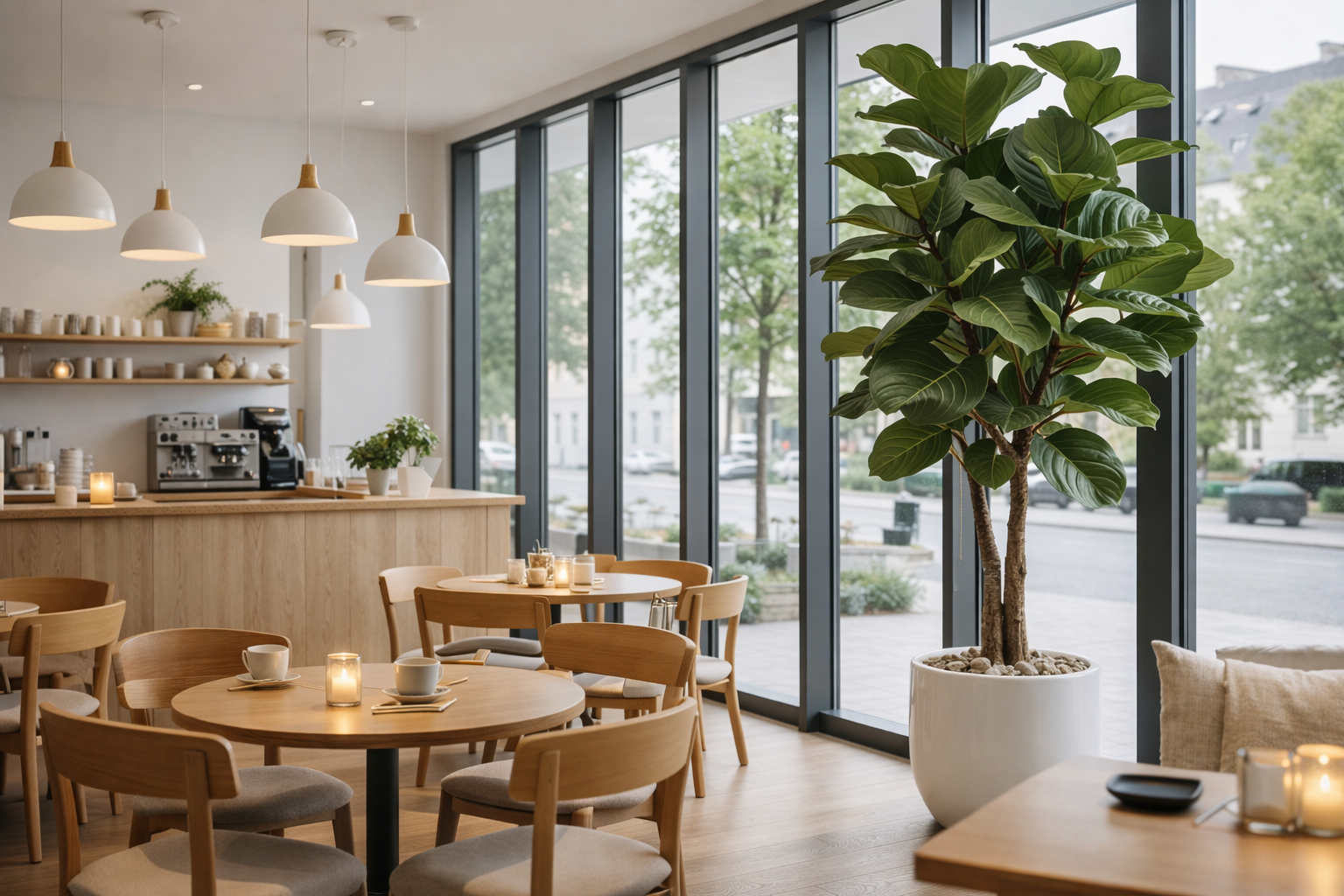
The Evolving Role Of Faux Finishes In Contemporary
Design
Faux finishes have undergone a notable evolution in recent
years, shedding their reputation as mere imitations of marble or
stone. Today, they are valued for their ability to enhance a wide
range of interior environments, offering an effective way to
introduce texture, depth, and subtle visual narratives into
architectural spaces. Homeowners find them especially useful for
adding warmth to minimalistic interiors, while businesses utilize
them to reinforce visual identity without major renovations. Faux
finishes can work harmoniously with existing building elements,
making them a preferred choice for refurbishing older properties.
Environmental sustainability is also a key driver, as many modern
faux techniques replicate the appearance of rare or
resource-intensive materials with little impact on natural
resources. As a result, faux finishes are now a core part of
comprehensive design approaches rather than fleeting stylistic
choices.
From Texture To Illusion: Key Faux Techniques Shaping
Interiors
Current faux finishing methods span a wide spectrum, from
understated textural effects to dramatic illusions that shift the
perception of a space. Techniques such as layered glazes, lime
washes, and specialty plaster work soften architectural edges and
bring nuanced light effects to walls and ceilings throughout the
day. Subtle woodgrain and stone finishes lend visual continuity to
interiors furnished in neutral palettes, moving away from ornate
interpretations toward a more modern, understated look. In
commercial settings—hotels, offices, and healthcare spaces
alike—decorative painting can organize space, provide wayfinding
cues, and create a desired emotional tone through color and
pattern. Large surfaces are often treated as integrated canvases,
connecting walls, ceilings, and floors to lighting installations
and artwork. When thoughtfully applied, these finishes can
manipulate scale and intimacy, making open-plan areas cozier and
narrow corridors more inviting. The end result is a layered,
intentional environment that feels unified without being
overdecorated.
Residential Applications: Character, Comfort And Subtle
Zoning
In home design, faux finishes offer the ability to imbue even
new constructions with a sense of story and comfort reminiscent of
spaces that have matured over time. Distressed plaster effects in
living rooms, for example, balance sleek contemporary details with
a welcoming sense of age. Bedrooms often benefit from gentle, tonal
finishes that envelop the space in softness, creating dedicated
zones of relaxation. Kitchens and dining rooms can employ more
pronounced, durable techniques to subtly delineate cooking, eating,
and gathering areas within open layouts. Many homeowners use faux
finishes for accent walls, stairways, or ceilings to achieve a bold
look without overwhelming the senses. Some finishes mimic stone or
concrete to extend visual connections between indoor and outdoor
spaces. For inspiration and professional results, exploring sources
like https://fauxnatural.com/ can help
turn design concepts into daily living enhancements.
Commercial Environments: Brand Storytelling Through
Surfaces
Commercial interiors require faux finishes that meet demands for
durability, maintainability, and brand coherence. Restaurants
frequently utilize aged plasters, weathered metals, and tactile
wall treatments to create a memorable ambiance, particularly where
real materials might be impractical. Offices gravitate towards
matte or gently textured finishes that reduce glare and promote
concentration, often using bolder accents in client-facing zones.
Retailers blend faux concrete, wood, and stone finishes to create
sophisticated product displays and guide customer flow without
distraction. The hospitality sector employs faux surfaces for both
luxury and resilience, ensuring high-traffic public areas remain
appealing over time. Comprehensive planning ensures these materials
age gracefully, with patinas that develop character rather than
looking prematurely worn. Coordinating with lighting, signage, and
furnishings enables these finishes to play an integral role in a
consistent brand story.
Practical Considerations: Choosing And Maintaining Faux
Finishes
Choosing an appropriate faux finish involves balancing style,
performance, and upkeep. In busier environments, robust topcoats
and washable finishes are often necessary, while quieter
residential areas can feature more delicate decorative effects.
Sample testing and real-world observation help designers fine-tune
color and texture choices to each room’s specific conditions.
Integrating finishes with existing floors, built-ins, and fixtures
ensures a harmonious overall impression. For cleaning, mild
products help maintain the layered character of faux surfaces,
extending their longevity. By seeing these finishes as part of an
overall design strategy, residents and business owners can enjoy
spaces that are both distinctive and practical for years to
come.
Find your dream getaway in Puerto Vallarta

Blogroll
- Plaza Mar Condo 202
- Plaza Mar Condo 204
- Plaza Mar Condo 301
- Plaza Mar Condo 302
- Plaza Mar Condo 303
- Plaza Mar Condo 306
- Plaza Mar Condo 401
- Plaza Mar Condo 402
- Plaza Mar Condo 404
- Plaza Mar Condo 406
- Plaza Mar Condo 501
- Plaza Mar Condo 502
- The PVGirl Casa CC
- The PVGirl Casa Hummingbird
- The PVGirl Casa Nest
- The PVGirl Casa Opporyunity
- The PVGirl Casa Sueno
- The PVGirl Casa Vizcarra 1
- The PVGirl Casa Vizcarra 2